Electric Nissan Figaro – 2019 Gary Klyne
BUILDER: GARY KLYNE
Builder: Gary Klyne
Country: United States
Website: https://youtu.be/R2TKA-wze_c
Date: July 2019 (Start)
Range: Farthest to date – 89 miles, but haven’t done single-trip, full-to-empty test yet.
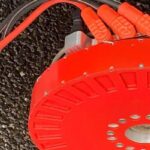
EV Motor: Netgain HyPer9 144 dual-shaft AC Electric Motor
Motor controller: Netgain X144 with chill plate
Transmission: Stock Figaro 3-speed automatic transaxle, typically left in 2nd gear
Throttle control: Used Prius hall effect pedal Maximum motor efficiency: 94.9% Maximum torque: 220 Nm Horsepower: more than stock Figaro 0-60: faster than stock Figaro
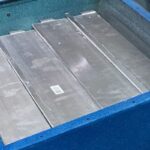
Battery: 6 used Tesla 5.3kW modules from a 2013 Model S with 30,000 miles on the odometer. Usable voltage range: 90 – 148 volts
Battery Management System (BMS): Orion 2 with Wi-Fi monitoring
On board charger: Elcon HK-J-H198-46 with J-1772 EVSE
Wall charger: JuiceBox Pro 40 Amp @ 220 volts with Wi-Fi monitoring
HV cables: 2/0 flexible welding cable wearing prisoner orange insulation jacket
DC converter: Meanwell HRP-600-12. 53 Amp/12 Volt output Pack
Cooling: Used Tesla 12V water pump with Nissan radiator fluid Module
BMS tap boards: Stealth EV Charge rate: 20 miles per hour @ 30 Amp Empty to Full charge: about 6 hours (includes balancing)
Extras: Upgraded rear coil over suspension for a Nissan Silvia handles the 350lbs of battery weight.
Initial problems: The biggest hurdle is designing and fabricating the bell housing plate and motor coupler for the torque converter connection.
Tip: get a good machine shop and be willing to pay extra for faster service. Motor controller and BMS configuration documentation is sparse and highly experimental. One wrong setting can severely affect performance. Loose connections and poor soldering can also wreak havoc.
Pros: Quicker off the line and faster response while in motion. Much quieter than a stock Figaro. No more stinky car exhaust or leaking fluids (unless you didn’t get a good seal on your cooling lines). Your spouse will get the exercise they need when you run out of charge and they get to push.
Cons: Range anxiety is a real challenge, especially in the beginning when you have nothing to compare expected results to. Wiring is complicated. One wrong connection and the car won’t move. There is no instruction manual for your exact build.
Watch Video
Update Video